Albert Camus: The Stranger Rating (potential spoilers)
By Adrian Anatolian
Albert Camus is a French philosopher and writer born in Algeria. He is the author of many notable books, notably The Plague, The Fall, The Myth of Sisyphus, The Rebel, and The Stranger. In 1957, Albert Camus won the Nobel Prize in Literature. He is widely regarded as one of the most influential and popular writers and philosophers of the twentieth century.
The opening lines of The Stranger are some of the most notable in contemporary literature: “Maman died today. Or yesterday, maybe. I don’t know.” In the book, the main character, Meursault, is given the news that his mother has passed. Meursault is presented as an emotionally detached man; he sheds no tears at his mother’s funeral. Meursault eventually befriends some people and develops a relationship with a woman. He ends up killing a man and is sent to court to be put on trial. Once on trial, the prosecutors focus on his reaction to the death of his mother rather than the actual murder he committed. Meursault is a man who lives without conforming to any social order or illusions of comfort. In the end, Meursault is sentenced to death by guillotine and is confronted by a Chaplain before his death. Rather than conforming to God and the comfort of religion, Camus experiences an epiphany. He rejects the chaplain and realizes that death is the only thing certain for us once we are born. Rather than trying to bargain with God or fit into society, he accepts his condition. Realizing that he is going to die no matter what, Meursault accepts his fate and life as it is for him. After his epiphany, Meursault feels free from everything: morality, false hopes of salvation, repentance, and social illusions. He accepts that there is no further purpose the universe has given him but death. With this, he rejects any false comfort. The only comfort which he embraces is the certainty that he will die.
In my personal opinion, I would give this book an 8.5/10. The writing is easy to understand and follow without confusion. However, there are a lot of filler chapters that really just show how Absurd and emotionally detached Meursault is from everything. It is very interesting seeing the beliefs of justice and repentance dissolve from the mind. I would recommend this book to anyone interested in Camus, Philosophy, and literature in general. If I could go back and start my study of philosophy over again, I would definitely have chosen this book to begin with.
The Death of the Album – Opinion
By Lily Doan
If you’re reading this, chances are you were born into a streaming society; CDs, vinyl, and cassette tapes were a reality of your parents’ generation. These formats depended on albums, units of one artist’s work containing 8-15 songs and lasting around 30 minutes to an hour. However, with the great digitization of the music industry, most people today don’t listen to albums: they listen to a playlist made by themselves or recommended by their chosen streaming service. Musical streaming service Deezer released a survey response stating that out of 8,000 respondents from various countries only 9% said they preferred albums over playlists (Stassen). As a part of that small percentage, I feel it is my duty to shout from the rooftops that you are missing out if you’re not listening to albums in full! The constant use of playlists robs listeners of the entire worlds, atmospheres, and narratives intended by the artist.
This musical shift has drastically changed the way artists and producers are approaching the music creation process. Musicians are losing the ability to create a context in which they want their music to be surrounded by in order to optimize their music for the algorithm. An article in Oxford’s newspaper highlights this shift: “Each song is expected to function as a self-contained hit that can thrive independently. This means that albums today, when released, often consist of a collection of potential singles rather than a meticulously structured body of work” (Ofo). Listeners now have nearly infinite music choices on platforms, pushing artists to release small amounts of music frequently rather than taking months to create meticulous albums in order to maintain visibility. Not only does this force artists into creating for the algorithm rather than the consumer, but the platforms don’t always have the artist’s best interests at heart. According to a thesis done at the University of Michigan, playlist algorithms “may serve music that aligns with perceived listener tastes—often mainstream selections—or reflect the platform’s commercial interests, such as prioritizing artists with favorable licensing agreements.” (Hansen).
Perhaps one of the most endangered forms of albums is concept albums. For the uneducated people reading, allow me to introduce you to a beautiful little thing called a concept album—an “album whose tracks hold a larger purpose or meaning collectively than they do individually…through a single central narrative or theme, which can be instrumental, compositional, or lyrical” (“Concept album”). Artists take years to create characters, storylines, and conflicts that star in concept albums. The biggest artists in the concept album world include Pink Floyd, David Bowie, Green Day, The Who, Kendrick Lamar, and the Beatles but there are thousands of others across so many genres. Storylines are sometimes stretched over multiple albums, such as the dystopian story of a man escaping from an oppressive society, created by Twenty One Pilots over the course of five albums and a full decade. Concept albums are the opposite of what the algorithm wants to recommend. The concept album unites rock and reggae and artists with 10 followers and artists with 100,000,000 followers, yet I fear we are in the process of watching it die. I encourage you to look over your music library, explore the context, narratives, and storylines created by the albums that feature your favorite songs, and fight the algorithm.
The Privatization of Space
By Logan Jones
64 years ago, the National Aeronautics and Space Administration (NASA) of the United States was regarded as one of the strongest, most innovative space agencies across the globe, but today, that power mostly rests in the hands of private companies that use space exploration as a form of profit. NASA’s Apollo era saw the largest breakthrough in space exploration since Galileo’s improvement of the telescope, but growing budget cuts and the increasing interest from private investors have pushed the industry away from government-funded projects to privatized innovation.
Major budget cuts have no doubt put strain on NASA and its subsidiaries. One of which is the Jet Propulsion Laboratory (JPL), which has faced major funding issues in recent years, causing the lab to reconsider its scope and overall capabilities. This highlights the growing divide between publicly funded space exploration and private companies that do not have to answer to shifting administrations or current world events.
This private shift comes as a bittersweet change in the industry. On the one hand, private companies like Elon Musk’s SpaceX have dramatically changed the space launch industry with innovations such as the Falcon 9, which has made space launches almost 95% cheaper. Unlike public agencies, which require funding from public budgets and political approval, private companies do not require government approval on their budget or which innovations to pursue.
As private companies continue to expand, the space industry is increasingly becoming a partnership. NASA has become reliant on private providers in order to carry out almost every mission. While this allows NASA to succeed in a cheaper manner, it does raise questions about the future independence of the agency. Space exploration has almost always been done for a secondary reason, whether political or economic, but the question becomes which one is better for the industry? Being reliant on political movements or shaped by market competition and private investment?
Living things:
Living things: A Crossword Puzzle
By Henry Kaplow
https://crosshare.org/crosswords/pOM8QAXfksiAuGmIfA6k/living-things
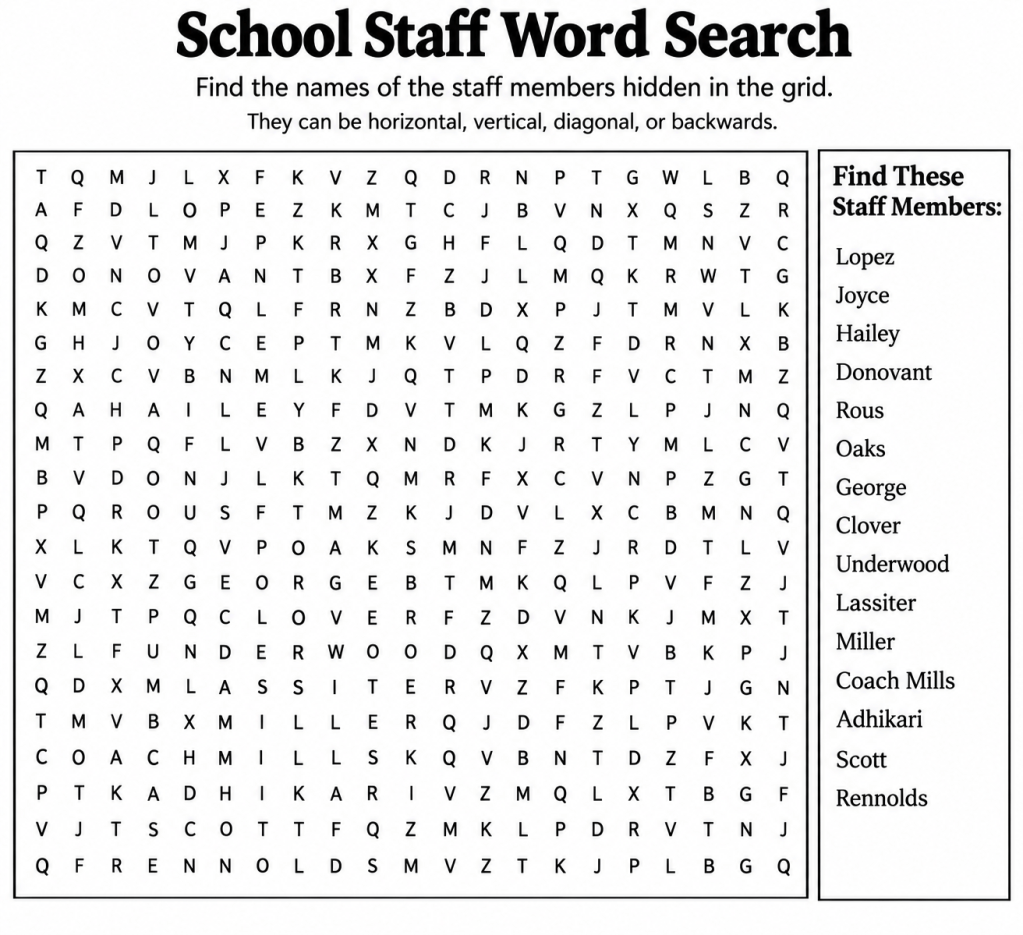
Word Search
By Sam Fox-goening
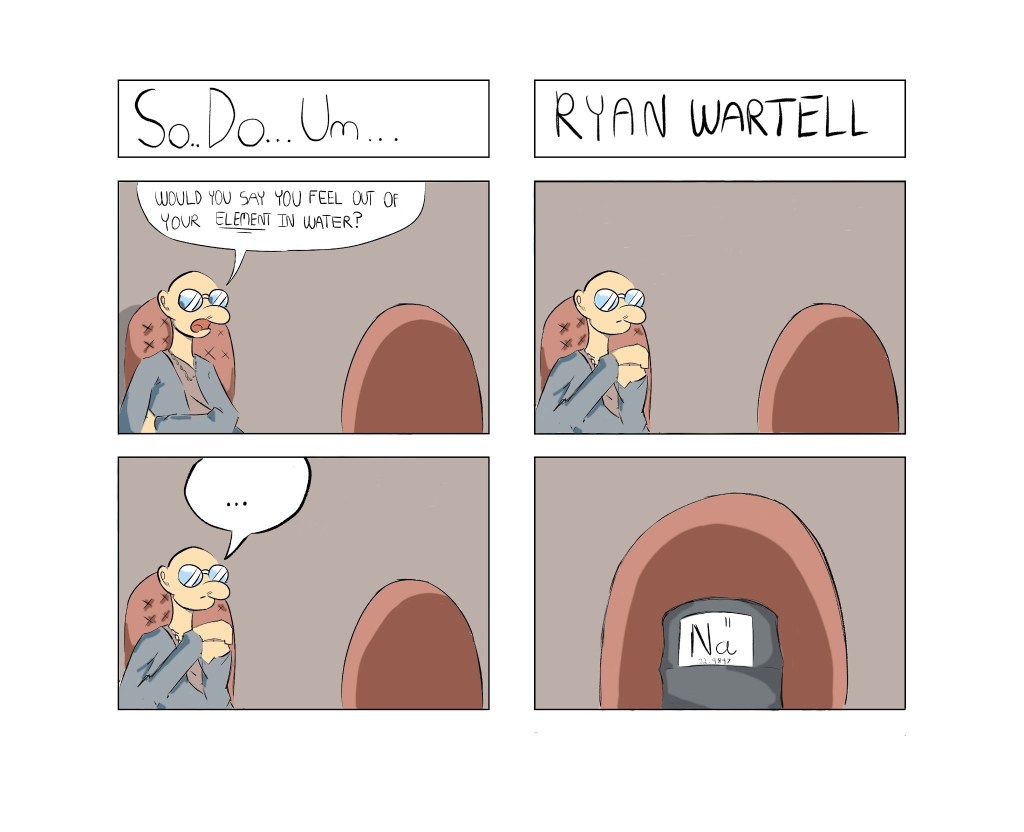
So..Do..Um..
By Ryan Wartell
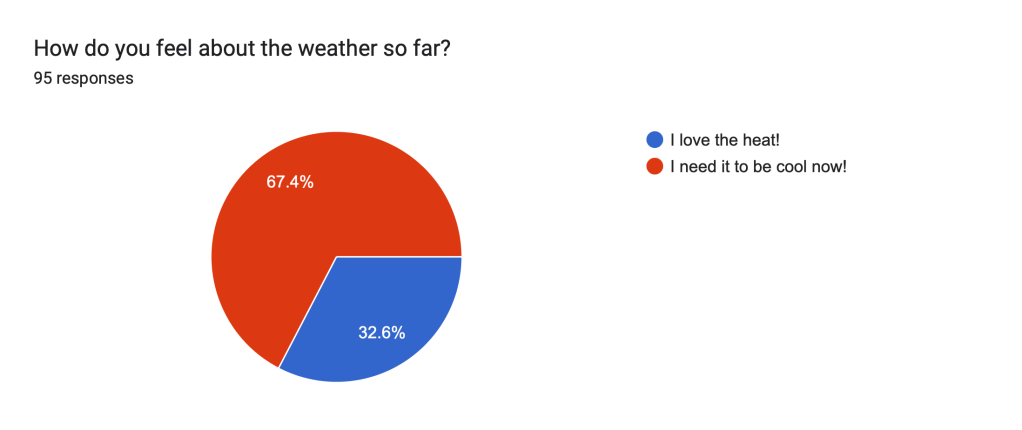
Fall Survey
By Joshua McGee